
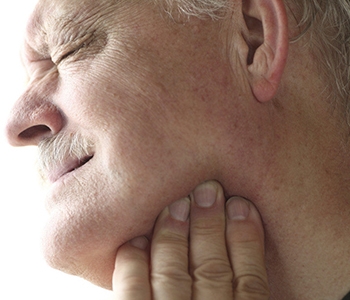
TMJ disorders impact the lives of more than ten million Americans. In the past, treatment for TMJ and bite disorders consisted largely of medications to reduce pain. Dr. Stephen Matarazzo suggests a different approach. He addresses the cause of discomfort with TMJ & bite treatments that bring effective relief to patients in the Quincy area.
Cause of TMD
The temporomandibular joint allows the jaw to open and close, slide forward and backward, and move side to side. Unusual strain is placed on the TMJ when the bite is out of balance. Symptoms may include:
- Mouth pain or reduced jaw mobility.
- Clicking, popping, or grinding noises.
- Pain in the ears, face, neck, or shoulders.
- Headaches and migraines.
- Unusual tooth wear
The primary cause of TMJ disorders is imbalance in the bite. Teeth that don’t match up properly result in stress to the joint and muscles.
Drug-free TMJ Bite Treatments - Quincy MA | Dr. Stephen Matarazzo
[Music]
Getting to the root of the problem
Dr. Matarazzo begins with a thorough examination and evaluation of your mouth. A frank discuss of your symptoms, lifestyle habits, and medical history provides additional insight. In many cases, TMD can be alleviated with adjustments to the bite, wearing an oral appliance at night, or both.
Bite adjustment involves reshaping teeth or replacing poorly-designed dental restorations. The intent is to eliminate high spots and allow teeth to come together more efficiently.
A bite guard is worn at night to reduce pressure on the jaw from clenching and grinding. A small NTI appliance fits over front teeth, keeping molars slightly apart while you sleep. This brings the bite into more comfortable alignment, and allows masseter and temporalis muscles to relax.
Frequently Asked Questions About TMJ and Bite Treatments
What are the most common signs of a TMJ or bite problem?
TMJ and bite-related issues can present in several ways, not just jaw pain. Many patients notice tightness when opening or closing their mouth, along with clicking or popping sounds. Others experience headaches, facial fatigue, or discomfort that extends into the neck and shoulders. Teeth may also show signs of uneven wear over time. Because these symptoms can develop gradually, they are often overlooked. A professional evaluation helps determine whether the jaw joint or bite alignment is contributing to these ongoing concerns.
What causes the jaw joint to become irritated or strained?
The jaw joint can become stressed when the bite is not evenly balanced. If certain teeth make contact before others, the jaw shifts slightly to compensate, placing pressure on muscles and joints. Over time, this repeated strain can lead to discomfort and limited movement. Habits like clenching or grinding can intensify the problem. Identifying these patterns early allows for targeted treatment that focuses on correcting the imbalance rather than just managing symptoms.
Are TMJ treatments always based on medication?
Not necessarily. While medication may help manage short-term discomfort, many treatment plans focus on correcting the underlying cause of the issue. Non-medication approaches may include adjusting the bite or using a custom oral appliance. These options aim to reduce stress on the jaw joint and improve alignment naturally. By focusing on structure and function, this approach can offer longer-lasting relief without relying solely on ongoing medication use.
How does adjusting the bite improve jaw function?
Bite adjustment works by refining how the teeth come together so that pressure is distributed more evenly. Small changes to the surfaces of certain teeth can eliminate high points that cause imbalance. When the bite is more stable, the jaw no longer has to shift unnaturally during movement. This can reduce strain on the joint and surrounding muscles, making everyday actions like chewing and speaking feel more comfortable and controlled.
What is a night guard or NTI appliance used for?
A night appliance is worn during sleep to limit the effects of clenching and grinding. Devices like an NTI fit over specific teeth to prevent full contact between the upper and lower arches. This reduces the intensity of muscle activity and helps the jaw remain in a more relaxed position. Over time, this can decrease discomfort, protect teeth from excessive wear, and support a more balanced bite during waking hours.
How long does it take to notice changes with TMJ treatment?
The timeline for improvement varies depending on the cause and severity of the condition. Some patients begin to feel relief within a few weeks, especially when using an oral appliance consistently. Others may require a longer period as the muscles and joints adapt to a new, more balanced position. Following your dentist’s recommendations closely plays a key role in achieving steady and lasting improvement.
When is it time to seek professional care for TMJ symptoms?
If jaw discomfort, headaches, or difficulty chewing persist for more than a short period, it is worth having the issue evaluated. Symptoms that interfere with daily activities or continue to worsen should not be ignored. Early intervention in Quincy, MA, can help identify whether bite imbalance or joint strain is the source, allowing for more conservative and effective treatment before the condition becomes more advanced.
Are you ready to learn about TMJ & bite treatments with no risk of drug side-effects? Call Quincy dentist, Dr. Stephen Matarazzo to schedule a consultation. The number is (617) 405-3939.


